How to Read Casino Promotion in Đồng Nai
Learn how casino promotion in Đồng Nai uses maps, images, and visitor copy to frame a destination, while separating regional storytelling from precise geography.
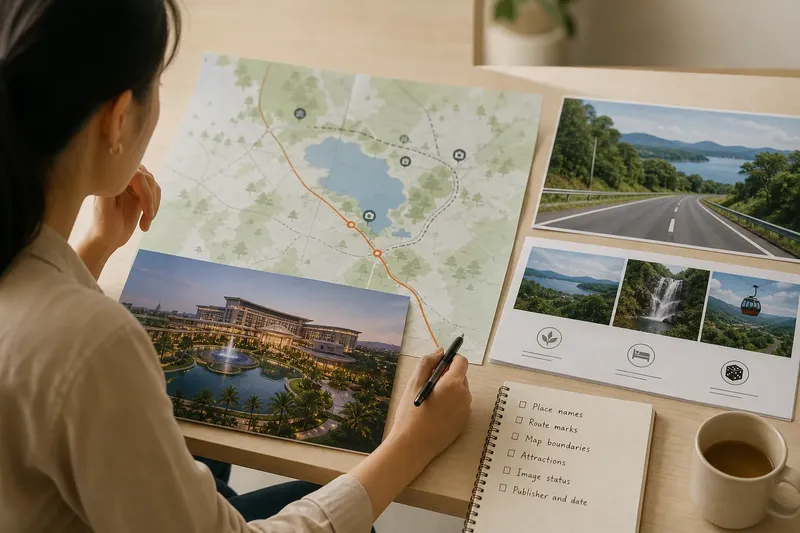
What does casino promotion in Đồng Nai actually tell you about a place: its geography, or the story a publisher wants visitors to imagine? A map, rendering, or visitor page can reveal how a proposal is positioned in regional tourism language without describing the province as a completed itinerary.
Read these materials as public words and images with a point of view. Their value lies in showing which places are linked, what kind of visit is being suggested, and what information the publisher chooses to leave out.
Regional framing
A brochure may pair a casino proposal with a town, lake, road, or attraction. That arrangement builds a regional narrative: it gives certain places a shared role and leaves others beyond the frame.
Pay attention to the verbs and prepositions. “Near” indicates an asserted relationship without explaining distance; “on the way to” sketches a sequence; “part of” may suggest a visitor district without defining its limits. Quote or paraphrase the wording as the publisher’s claim, not as settled geography.
Promotional maps
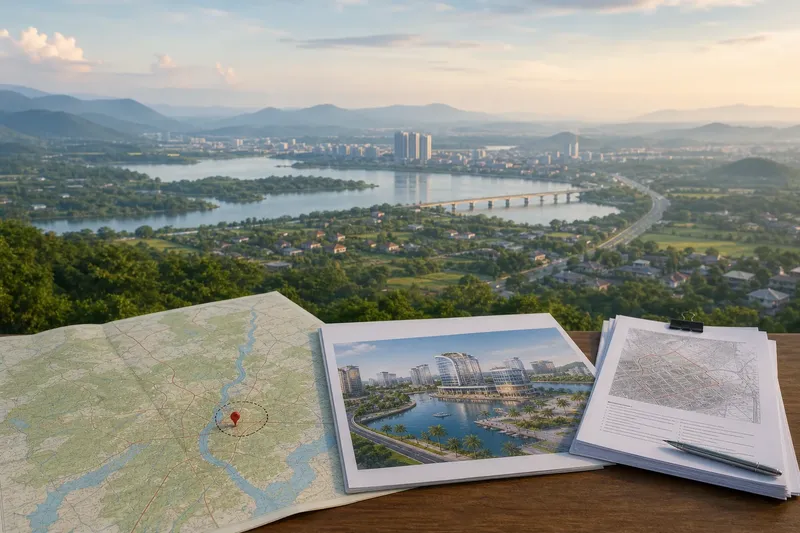
A promotional map can orient readers or create a sense of place. A bold road, clustered labels, or shaded region may make a proposed venue appear connected to a broader visitor area, but the graphic’s purpose and underlying source matter.
Check the legend, labels, source, and date. Note whether the map distinguishes existing places from proposals, and whether it explains lines or shaded areas. If those details are absent, describe what the graphic depicts without assigning it a precise boundary or route.
Keep place names in their proper categories. A town, district, landmark, and resort name are not interchangeable merely because a designer places them close together. If a page gives an address, report it separately from nearby attractions and regional labels.
Images and captions
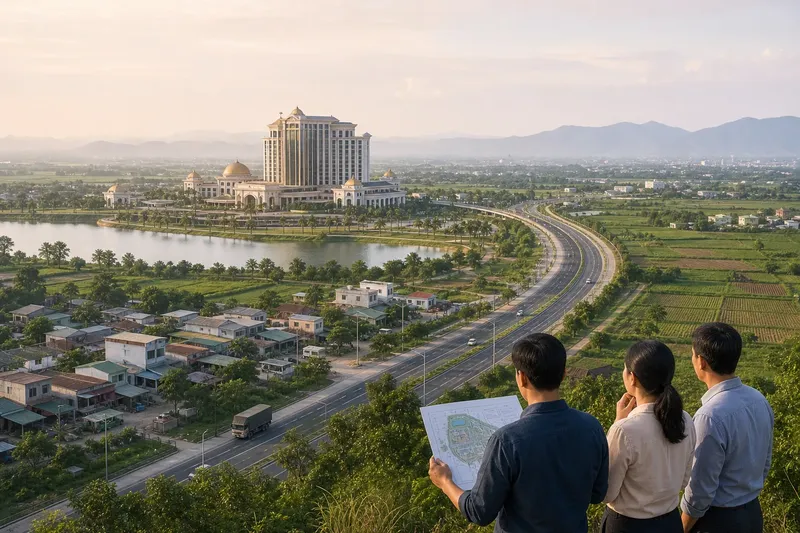
Images help assign a role to the region. A landscape can suggest a nature-oriented visit, a road photograph can evoke access, and a building rendering can picture a proposed development. Those choices show the intended visitor story, not necessarily the conditions at a particular site.
Read captions and credits before identifying an image. “Illustrative” or “artist’s impression” signals a designed representation. If a photograph has no stated location or date, describe what is visible rather than attaching it to a specific place in Đồng Nai.
Visitor narratives
Promotional copy may arrange arrival, attractions, lodging, and entertainment into an easy-sounding sequence. Check which elements the publisher actually names and which connections come from layout, imagery, or mood.
Use the following checks to choose a description that fits the available material:
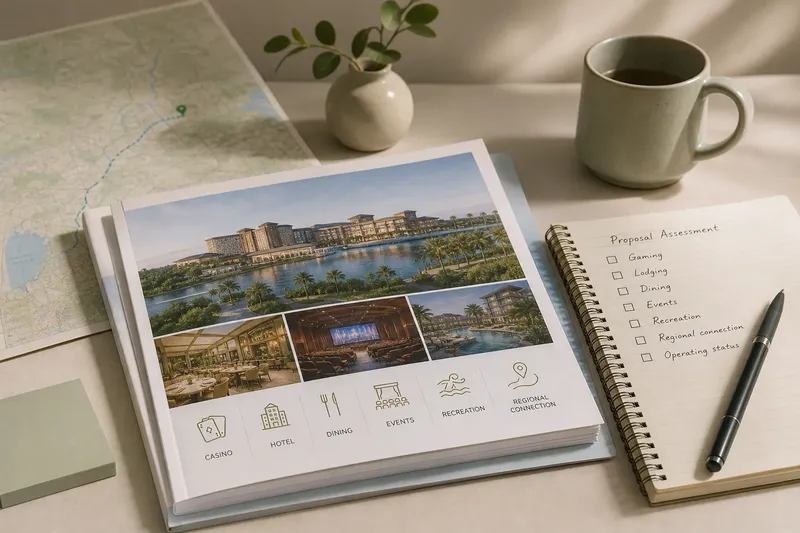
- Place names: Check whether the page names a town, district, landmark, or address. If it offers only a broad regional label, describe the location broadly; if it supplies an address, keep that address distinct from nearby places.
- Route marks: Check whether a line has named roads or an explained route. If it is unlabeled, call it a graphic connection; if roads are named, treat them as claims in the material and consult a current transport or local source before describing present access.
- Map boundaries: Check whether a legend or source explains a shaded area. If neither does, describe the shading as a design feature; if the map identifies a boundary and its source, attribute that boundary to the stated source.
- Attractions: Check whether the page names attractions and explains their relationship to the proposal. If it uses only scenic imagery, describe an atmosphere rather than an itinerary; if it names places, call them the publisher’s proposed connections.
- Image status: Check whether a caption identifies an image as a rendering, photograph, or illustration. If its status is unclear, call it promotional imagery; if the caption identifies it, preserve that description without claiming it depicts current conditions.
- Publisher and date: Check who issued the material and when it was published or updated. If either is missing, limit the account to what the page presents; if both are supplied, attribute the narrative to that publisher and date.
What do the materials establish?
Does a promotional map identify a precise site?
It can do so when it clearly identifies an address or explains a boundary. Without that information, describe the map as broad orientation and do not treat nearby labels as evidence of a shared site.
Why place a venue beside attractions?
The layout may suggest a combined visitor experience or regional route. It establishes the publisher’s framing, not that the places form an existing itinerary.
How should an unlabeled image be described?
Call it promotional imagery and describe only what is visible. Without a caption, date, or location, do not identify the depicted building or landscape as a specific place in Đồng Nai.
Can a visitor page establish current access?
A page can present a route as part of its story, but that presentation does not by itself describe current travel conditions. Where access matters, consult an up-to-date transport or local authority source and distinguish that information from the publisher’s framing.
A worked reading
Imagine a fictional leaflet that names “East District,” draws one line toward a lake, and places a casino rendering beside a road photograph. It includes no address, legend, captions, or publication date. Start with those inputs: record “East District” and the lake as named elements, while marking their relationship as suggested rather than established.
Next, treat the single line as a graphic connection because no road name or route explanation is supplied. Describe the building image as an unidentified promotional rendering, not as a photograph of an existing venue. Since the leaflet has no date or publisher, attribute no current status to it.
The resulting account is specific: the fictional leaflet places a casino proposal in a lake-oriented regional visitor story, but it does not identify a precise site, explain a route, or establish what exists there. That is what casino promotion in Đồng Nai can show especially well: how a destination is being narrated, and which geographic details remain unstated.