How to Read Casino Resort Proposals in Đồng Nai
Learn how to read casino resort proposals in Đồng Nai, separate planned amenities from a usable visitor offer, and judge what a trip would involve.
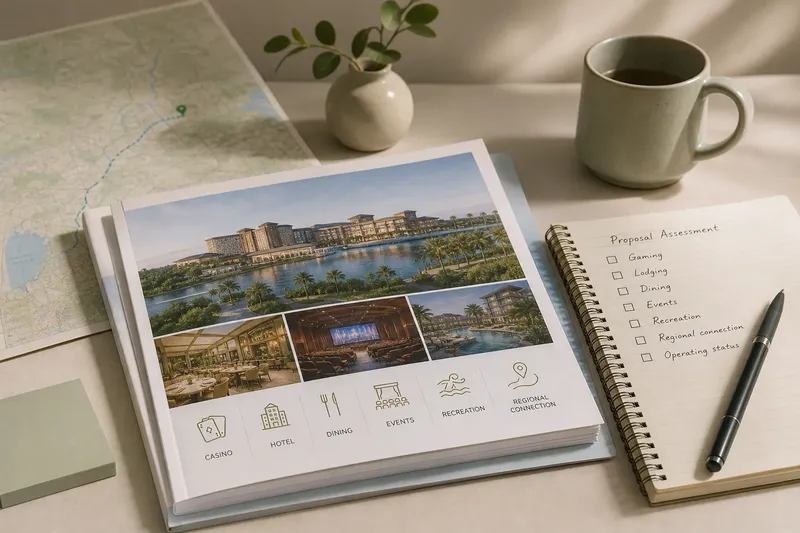
What would a casino resort proposal in Đồng Nai actually let you do as a visitor? The answer depends on whether its public description outlines a current offer or only plans for one. A casino, hotel, restaurant, and event space can describe a proposed bundle without establishing that any part is open.
That distinction is more useful than treating “destination” as a record of local change. In a proposal, the word describes an intended visitor proposition: who might come, what they might do, and how the site might connect with the region. It does not document a completed development or an operating itinerary.
Read the proposal
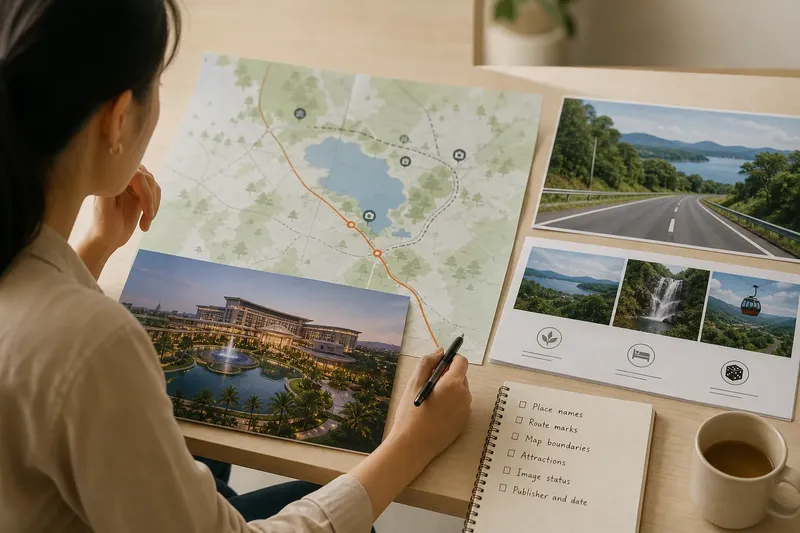
Start with the document’s purpose and date. A planning notice, an operator’s announcement, and visitor information answer different questions: one may describe a process, another an intention, and the third what a guest can access now.
Then read the verbs closely. “Plans to include” describes an intention; “is open to visitors” makes a present-tense access claim that should be supported by current details. If those details are absent, the responsible conclusion is that visitor access remains unclear.
Separate the offers
A proposal can combine several possible reasons to visit, but each needs its own explanation. A hotel may be meant for overnight guests, a restaurant for diners, and a performance space for event audiences. Naming these facilities does not explain who can use them or when.
Look for the connection between each feature and an actual visitor. Does the description say whether dining is available independently of gaming? Does it explain who can attend an event, or whether recreation is intended for guests only? Specific access terms make the proposition easier to understand than a broad promise of variety.
Compare trip patterns
Gaming-centered stays
Here, gaming leads the description and lodging or dining supports the stay. If other facilities have no distinct audience or access details, read them as supporting features rather than separate visitor draws.
Leisure-led visits
This framing leads with dining, entertainment, or recreation, with gaming as one possible activity. It is more concrete when the proposal identifies what non-gamblers could do and how they would access it.
Regional itineraries
A regional itinerary places the property alongside destinations beyond its boundaries. Naming a nearby place gives geographic context; explaining a route, transport option, or planned itinerary shows how the connection might work. Without that detail, the regional link remains a claim about setting, not a usable trip plan.
What can visitors verify?
Does a resort label mean the site is open?
No. “Resort” and “integrated resort” describe a kind of development or proposed combination of uses, not operating status. Look for current visitor information from the operator or a relevant public office before treating any facility as accessible.
Can non-gamblers have a reason to visit?
They might, if dining, events, or recreation are described as activities with their own audiences and access arrangements. A general claim that a project has something for everyone does not answer what a non-gambler could actually do.
What makes a regional link useful?
A useful link explains how a visitor would get from the property to another place and how that outing fits into a visit. A place name alone does not establish transport, timing, or an organized arrangement.
How should unclear status be handled?
Treat unconfirmed facilities as proposed or unresolved, not as available. If a current source does not state access conditions, avoid building a visit around the feature until clearer information appears.
Check each feature
For each proposed feature, note what the source actually says and choose what that wording supports. The following checks distinguish an intended development from information a visitor could act on.
- Gaming: If the description names gaming but gives no current access details, classify the proposal as gaming-centered and do not assume the facility is open; if current visitor terms are stated, assess gaming as a possible part of the visit.
- Lodging: If a hotel is named without booking or access information, treat it as a planned feature and do not plan an overnight stay around it; if current accommodation details are available, consider them as visitor information.
- Dining: If restaurants appear only in a facility list, treat dining as unspecified and do not count it as an independent draw; if the description explains access and the intended dining offer, decide whether it suits the visitor’s purpose.
- Events: If a venue is mentioned without current programming, treat events as an intention and do not plan around a date; if a current schedule and attendance details are supplied, decide whether an event fits the visit.
- Recreation: If activities are named without saying who may use them, leave their visitor role unresolved; if the description states access conditions, decide whether they offer a usable non-gaming activity.
- Regional connection: If another place is named without a route or transport arrangement, treat the link as geographic context and plan separately; if an itinerary or transport detail is provided, decide whether the connection fits the proposed trip.
- Operating status: If the source calls the project a proposal or uses future-tense wording, do not treat it as open; if a current operator or official notice gives visitor details, use those details to assess present access.
Say you are comparing two invented proposals in Đồng Nai. Proposal A names a casino, one hotel, and two restaurants but gives no access details. Proposal B names a performance space and recreation area but offers no schedule or opening information. First, classify A as gaming-centered: gaming leads, while the hotel and restaurants lack independent visitor details. Next, classify B as leisure-oriented in its stated ambition, but not as a confirmed outing because no current access or program is given. The practical decision is to compare the proposals’ intended identities, not to book a trip from either description.
Read the local context
In Đồng Nai, a proposal’s regional language should be read as a claim about how the site might relate to its surroundings, not as proof that a visitor connection exists. A named place offers a geographic reference; a described route or itinerary adds a possible way to include it.
For readers assessing casino resort proposals in Đồng Nai, the useful question is not whether the word “destination” sounds persuasive. Ask who the proposal imagines visiting, which activities have defined access, and what evidence supports any claim of present availability. That separates a development’s intended identity from the information needed to plan a visit.